Meditation Practices for Inner Peace
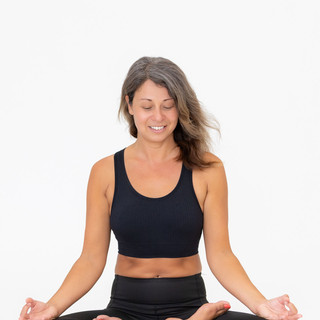
In a world filled with constant distractions and overwhelming stress, finding inner peace can seem like an elusive goal. However, meditation offers a powerful tool to cultivate tranquility and mindfulness in our daily lives. This blog post explores various meditation practices that can help you achieve a state of inner peace, providing practical tips and insights along the way.

Understanding Meditation
Before diving into specific practices, it's essential to understand what meditation is and how it can benefit you. Meditation is a mental exercise that involves focusing the mind to achieve a state of calmness and clarity. It can reduce stress, enhance concentration, and promote emotional well-being.
Benefits of Meditation
Stress Reduction: Regular meditation can lower levels of cortisol, the stress hormone, leading to a more relaxed state.
Improved Focus: Meditation enhances attention span and concentration, making it easier to tackle daily tasks.
Emotional Health: It can lead to improved self-awareness and a more positive outlook on life.
Better Sleep: Meditation can help calm the mind, making it easier to fall asleep and stay asleep.
Pain Management: Some studies suggest that meditation can help reduce perceptions of pain.
Types of Meditation Practices
There are numerous meditation techniques, each with its unique approach and benefits. Here are some popular practices to consider:
Mindfulness Meditation
Mindfulness meditation involves paying attention to the present moment without judgment. This practice encourages you to observe your thoughts, feelings, and sensations as they arise.
How to Practice Mindfulness Meditation:
Find a quiet space and sit comfortably.
Close your eyes and take a few deep breaths.
Focus on your breath, noticing the sensation of air entering and leaving your body.
When your mind wanders, gently bring your focus back to your breath.
Loving-Kindness Meditation
Loving-kindness meditation, or "Metta," focuses on cultivating feelings of compassion and love towards oneself and others.
How to Practice Loving-Kindness Meditation:
Sit comfortably and close your eyes.
Begin by silently repeating phrases like "May I be happy, may I be healthy, may I be safe."
Gradually extend these wishes to loved ones, acquaintances, and even those you may have conflicts with.
Guided Meditation
Guided meditation involves listening to a teacher or recording that leads you through a meditation session. This can be particularly helpful for beginners.
How to Practice Guided Meditation:
Choose a guided meditation that resonates with you. There are many apps and websites available.
Find a comfortable position and listen to the instructions.
Follow along, allowing the guide to lead you into a state of relaxation.
Transcendental Meditation
Transcendental Meditation (TM) is a specific form of silent mantra meditation. Practitioners repeat a mantra to settle the mind into a state of profound rest.
How to Practice Transcendental Meditation:
Learn a mantra from a certified TM instructor.
Sit comfortably with your eyes closed and repeat the mantra silently.
Allow thoughts to come and go without engaging with them.
Creating a Meditation Space
Having a dedicated space for meditation can enhance your practice. Here are some tips for creating an inviting meditation environment:
Choose a Quiet Location: Find a space where you won't be disturbed.
Add Comfort: Use cushions, mats, or chairs to make your space comfortable.
Incorporate Nature: If possible, meditate near a window or outdoors to connect with nature.
Use Soft Lighting: Dim lighting or candles can create a calming atmosphere.
Personalize Your Space: Add items that inspire you, such as crystals, plants, or artwork.
Establishing a Meditation Routine
Consistency is key to reaping the benefits of meditation. Here are some tips for establishing a regular practice:
Start Small: Begin with just a few minutes each day and gradually increase the duration.
Set a Schedule: Choose a specific time each day to meditate, whether it's in the morning, during lunch, or before bed.
Use Reminders: Set alarms or use meditation apps to remind you to practice.
Be Patient: It may take time to feel the benefits, so be kind to yourself as you develop your practice.
Overcoming Common Challenges
Many people face challenges when starting a meditation practice. Here are some common obstacles and how to overcome them:
Difficulty Focusing
It's normal for your mind to wander during meditation. When this happens, gently acknowledge the distraction and return your focus to your breath or mantra.
Restlessness
If you feel restless or uncomfortable, try adjusting your position or practicing a different type of meditation that allows for movement, such as walking meditation.
Time Constraints
If you're short on time, even a few minutes of meditation can be beneficial. Consider incorporating mindfulness into daily activities, such as eating or walking.
Incorporating Meditation into Daily Life
Meditation doesn't have to be limited to formal practice. Here are some ways to integrate mindfulness into your everyday life:
Mindful Eating: Pay attention to the flavors, textures, and sensations of your food.
Walking Meditation: Take a few moments to walk slowly and focus on each step.
Breath Awareness: Take a few deep breaths whenever you feel stressed or overwhelmed.
Gratitude Practice: Spend a few minutes each day reflecting on what you're grateful for.
Conclusion
Meditation is a powerful practice that can lead to profound inner peace and emotional well-being. By exploring different techniques and establishing a routine, you can cultivate a sense of calm amidst the chaos of daily life. Remember, the journey to inner peace is personal and unique to each individual. Start small, be patient, and enjoy the process of discovering what works best for you. Embrace the stillness, and let meditation guide you towards a more peaceful existence.


Comments