Therapeutic Yoga Techniques for Stress Relief
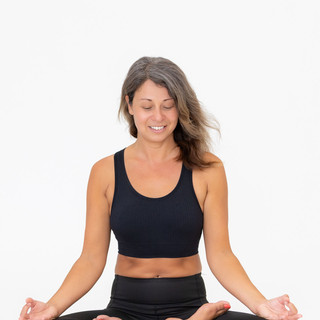
Stress has become a common part of modern life, affecting our mental and physical well-being. As we navigate through busy schedules, deadlines, and personal responsibilities, finding effective ways to manage stress is crucial. One of the most effective methods for achieving stress relief is through therapeutic yoga techniques. This blog post will explore various yoga practices that can help alleviate stress, improve mental clarity, and promote overall well-being.

Understanding Stress and Its Impact
Before diving into yoga techniques, it’s essential to understand what stress is and how it affects us. Stress is the body’s response to any demand or challenge. While some stress can be beneficial, chronic stress can lead to serious health issues, including anxiety, depression, and cardiovascular problems.
The Physical Effects of Stress
When we experience stress, our bodies release hormones like cortisol and adrenaline. This response can lead to:
Increased heart rate
Elevated blood pressure
Muscle tension
Digestive issues
Over time, these physical symptoms can take a toll on our health. This is where therapeutic yoga can play a significant role.
The Mental Effects of Stress
Stress doesn’t just affect the body; it also impacts our mental state. Common mental effects include:
Difficulty concentrating
Irritability
Fatigue
Sleep disturbances
Therapeutic yoga techniques can help mitigate these effects by promoting relaxation and mindfulness.
The Benefits of Therapeutic Yoga for Stress Relief
Engaging in therapeutic yoga offers numerous benefits for stress relief, including:
Enhanced relaxation: Yoga encourages deep breathing and mindfulness, which can help calm the mind.
Improved flexibility: Regular practice can increase physical flexibility, reducing tension in the body.
Better sleep: Yoga can promote better sleep patterns, which is essential for stress management.
Increased self-awareness: Practicing yoga helps individuals become more aware of their thoughts and feelings, allowing for better emotional regulation.
Key Therapeutic Yoga Techniques for Stress Relief
Now that we understand the benefits, let’s explore specific yoga techniques that can help relieve stress.
1. Deep Breathing Exercises
Breath control is a fundamental aspect of yoga. Deep breathing exercises can activate the body’s relaxation response, reducing stress levels.
How to Practice Deep Breathing:
Find a comfortable position: Sit or lie down in a quiet space.
Inhale deeply: Breathe in through your nose for a count of four, allowing your abdomen to expand.
Hold your breath: Pause for a count of four.
Exhale slowly: Release your breath through your mouth for a count of six.
Repeat: Continue this cycle for several minutes.
2. Mindful Meditation
Mindful meditation involves focusing on the present moment without judgment. This practice can help clear the mind and reduce anxiety.
How to Practice Mindful Meditation:
Choose a quiet space: Sit comfortably with your back straight.
Close your eyes: Take a few deep breaths to center yourself.
Focus on your breath: Pay attention to the sensation of your breath entering and leaving your body.
Acknowledge thoughts: If your mind wanders, gently bring your focus back to your breath.
Practice regularly: Aim for at least 10 minutes a day.
3. Gentle Yoga Poses
Certain yoga poses are particularly effective for relieving stress. Here are a few to try:
Child’s Pose (Balasana)
This pose promotes relaxation and stretches the back.
How to do it: Kneel on the floor, sit back on your heels, and stretch your arms forward while resting your forehead on the ground.
Cat-Cow Stretch (Marjaryasana-Bitilasana)
This dynamic movement helps release tension in the spine.
How to do it: Start on all fours. Inhale as you arch your back (cow pose) and exhale as you round your spine (cat pose). Repeat several times.
Legs-Up-the-Wall Pose (Viparita Karani)
This restorative pose helps calm the nervous system.
How to do it: Lie on your back and extend your legs up against a wall. Relax your arms at your sides and breathe deeply.
4. Yoga Nidra
Yoga Nidra, or yogic sleep, is a guided meditation practice that promotes deep relaxation.
How to Practice Yoga Nidra:
Lie down comfortably: Find a quiet space and lie on your back.
Set an intention: Mentally state what you wish to achieve from the practice.
Follow a guided session: Use a recording or attend a class to guide you through the process.
Focus on relaxation: Allow your body to relax completely while remaining aware.
5. Visualization Techniques
Visualization can be a powerful tool for stress relief. This technique involves imagining a peaceful scene or situation.
How to Practice Visualization:
Find a quiet space: Sit or lie down comfortably.
Close your eyes: Take a few deep breaths to relax.
Imagine a peaceful scene: Visualize a place that brings you joy, such as a beach or forest.
Engage your senses: Picture the colors, sounds, and smells of your chosen scene.
Stay in the moment: Allow yourself to remain in this visualization for several minutes.
Creating a Stress-Relief Yoga Routine
To maximize the benefits of therapeutic yoga, consider creating a personalized routine. Here’s a simple structure to follow:
Warm-Up (5-10 minutes): Start with gentle stretches and deep breathing to prepare your body.
Main Practice (15-30 minutes): Incorporate a mix of poses, deep breathing, and meditation techniques.
Cool Down (5-10 minutes): End with restorative poses and a few minutes of mindful meditation.
Tips for Practicing Yoga at Home
Set a regular schedule: Consistency is key to experiencing the benefits of yoga.
Create a calming environment: Use soft lighting, calming scents, and comfortable mats.
Listen to your body: Modify poses as needed and avoid pushing yourself too hard.
Stay present: Focus on your breath and the sensations in your body during practice.
Incorporating Yoga into Daily Life
In addition to dedicated yoga sessions, you can incorporate yoga principles into your daily routine. Here are some ideas:
Take mindful breaks: Step away from work for a few minutes to practice deep breathing or stretch.
Practice gratitude: Spend a few moments each day reflecting on what you are grateful for.
Stay active: Engage in physical activities that you enjoy, such as walking or dancing.
Conclusion
Therapeutic yoga techniques offer a powerful way to manage stress and enhance overall well-being. By incorporating deep breathing, mindful meditation, gentle poses, and visualization into your routine, you can cultivate a sense of calm and resilience. Remember, the journey to stress relief is personal, so explore different techniques and find what works best for you. Start today, and take the first step toward a more peaceful and balanced life.


Comments